The Geomorphological Nature Monument Designation
In 1965, the regional parliament of Croatia formally registered Zlatni Rat as a protected geomorphological monument (IUCN Category III). This statutory protection was enacted because the peninsula represents a singular hydro-sedimentary system that relies upon free and unhindered movement of its pebble deposits.
Unlike standard tourist beaches where sand replenishment is common, the introduction of foreign gravel or sand to Zlatni Rat is strictly illegal. The entire sediment bank must remain self-replenishing, nourished exclusively by natural flash floods from the Vidova Gora catchment and the hydrographic sorting of the Adriatic.
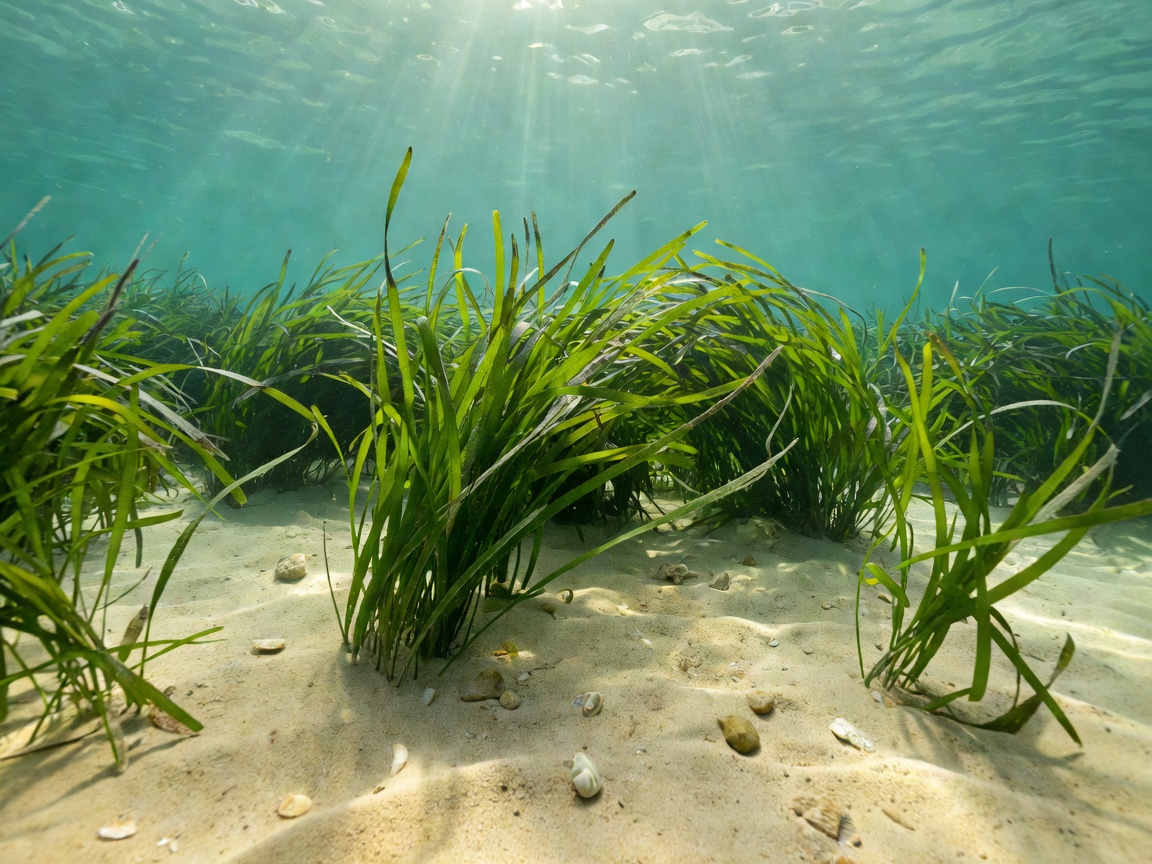
Submerged Posidonia oceanica meadows surrounding the cape stabilize seabed gravel and buffer storm swell.
Anchor Exclusion and Posidonia Oceanica Meadows
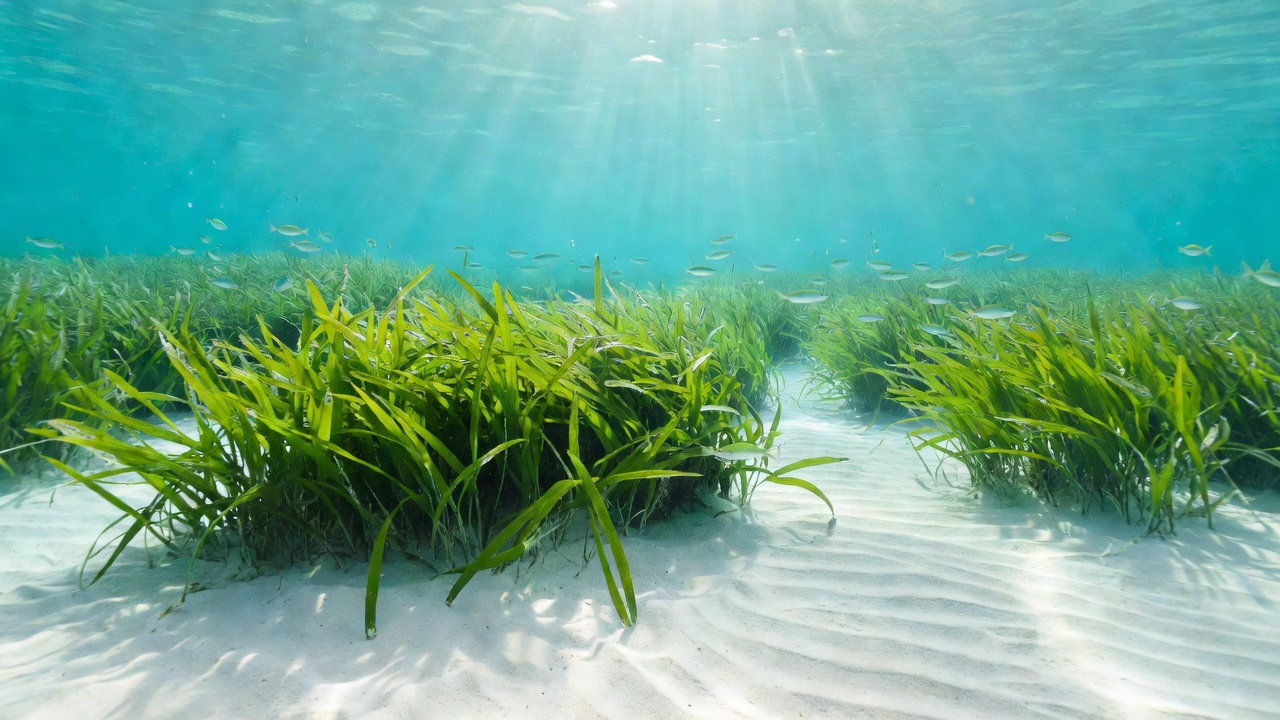
One of the most consequential threats to the seabed surrounding Zlatni Rat is mechanical anchor scour from private yachts and tourist tour boats. Surrounding the underwater ridge are fragile meadows of Posidonia oceanica (Neptune grass)—an endemic Mediterranean seagrass that acts as a vital carbon sink and natural wave buffer.
Under recent maritime ordinances enacted by the Municipality of Bol and the Split-Dalmatia County Protected Nature Areas Authority:
- Zero-Anchoring Zone: All vessels are strictly forbidden from dropping anchor within 300 metres of the beach perimeter. Anchors dragged along the seafloor rip up Posidonia rhizomes that require decades to regrow, destabilising the seabed foundation upon which the pebble spit rests.
- Commercial Vessel Mooring: Excursion vessels are restricted to designated concrete piers situated away from the delicate gravel spit.
Pebble Depletion & Souvenir Restrictions
With hundreds of thousands of guests visiting Bol annually, the cumulative impact of pebble removal presents a serious physical danger to the beach's mass. If every summer visitor took home a single limestone pebble, the spit would lose dozens of metric tonnes of its sediment volume each season.
- Taking stones, pebbles, shells, or sea-smoothed fossils (including the Kamen Sreće) away from the beach is prohibited by park regulations.
- Park wardens and municipal patrol officers conduct spot verifications. Information boards in multiple languages clearly notify visitors of ecological fines for pebble extraction.
Sustainable Visitor Code of Conduct
Visitors are urged to pack out all waste, utilise municipal recycling points installed near the forest boundary, choose reef-friendly mineral sunscreens that do not contain oxybenzone or octinoxate, and respect the rope-marked nesting boundaries of coastal seabirds.
Preserving the Pine Grove Buffer
The inland base of Zlatni Rat is anchored by a managed grove of Aleppo pines. This woodland serves as an environmental shock absorber: its deep root network prevents soil run-off from muddying the shoreline during thunderstorms, and its canopy humidifies the dry summer air, protecting the delicate undergrowth from erosion.